Skip to content

Table of Contents
Microneedling with PRP is a powerful option for patients who want smoother, brighter, more refreshed skin without changing their natural features. By creating tiny controlled channels in the skin and applying platelet-rich plasma from your own blood, this treatment helps support collagen production, improve texture, and encourage long-term skin renewal from within.
For concerns like fine lines, acne marks, dullness, and uneven tone, microneedling with PRP offers a natural-looking way to restore healthier, more radiant skin over time.
Does PRP improve microneedling results?
PRP may enhance microneedling results by supporting the skin’s natural healing response and collagen production after treatment.
What Makes the Pairing Different
Microneedling on its own is used to encourage skin remodeling. The device creates tiny punctures that signal the body to begin repairing the treated area. During that repair response, the skin begins producing new collagen and elastin, two proteins that help keep skin firmer, smoother, and more resilient.
PRP adds another layer. It is made by drawing a small amount of blood and spinning it in a centrifuge to separate the plasma and platelets. Platelets are known for their role in healing. When PRP is applied after microneedling, it can settle into the channels created by the treatment.
That is why microneedling and PRP are often discussed together. Microneedling starts the skin’s repair signal, while PRP supports the environment where that repair is already taking place. It is a treatment plan built around steady skin improvement, not instant perfection.
A More Practical Way to Think About Collagen
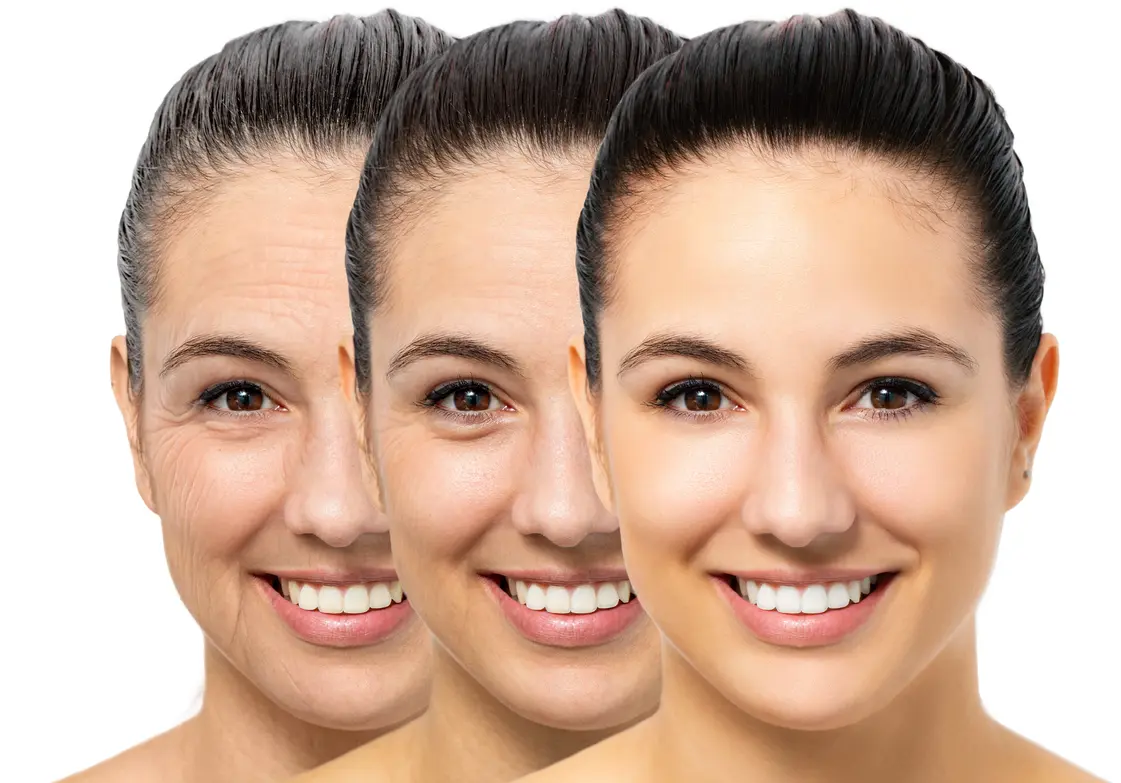
Collagen is often mentioned in skin care, but it helps to understand why it matters here. As collagen gradually declines with age, the skin may begin to look thinner, less firm, or less even. Sun exposure, acne, inflammation, and lifestyle factors can also affect collagen quality.
A collagen stimulation treatment is designed to encourage the skin to produce more of its own support structure. Microneedling does this through controlled stimulation. PRP may help support the healing phase that follows. The goal is not to force the skin into a quick visible change, but to give it a reason to rebuild.
Because collagen formation takes time, results usually appear in phases. Some patients notice a brighter look or smoother feel within days to weeks. Changes in texture, fine lines, and scars generally need more time and may require a series of treatments.
What a Microneedling PRP Treatment May Help Improve
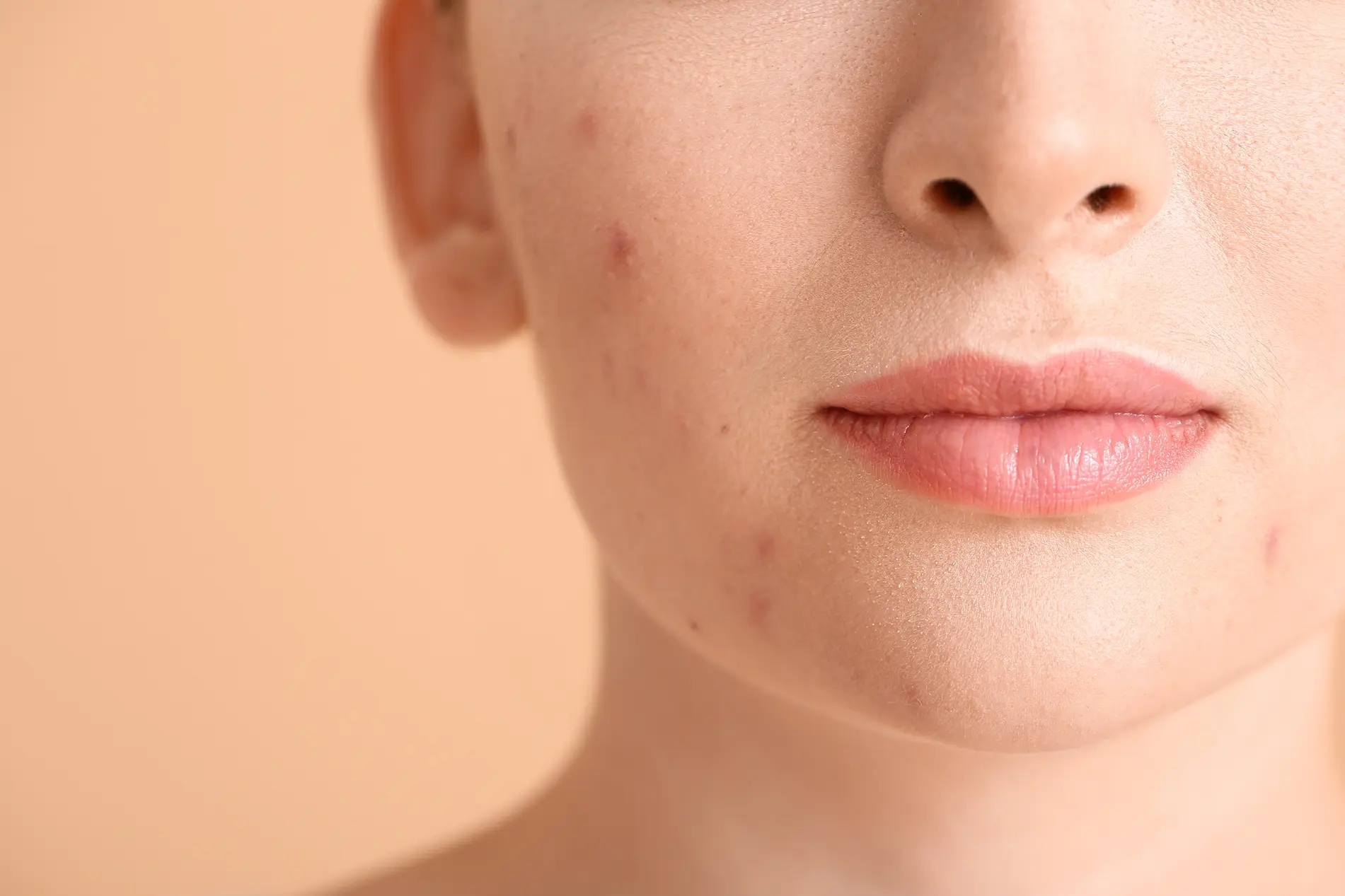
A microneedling PRP treatment may be considered for uneven texture, mild skin laxity, post-acne marks, enlarged-looking pores, dullness, and early signs of aging. It may also be part of a broader skin maintenance plan for patients who want to support long-term skin quality.
The treatment is not meant to replace every aesthetic option. Deeper folds, significant skin laxity, or volume loss may need a different approach. That is why a consultation matters. The best use of microneedling with PRP is usually for people who want gradual improvement in skin surface quality rather than a major facial change.
Results vary based on age, skin condition, scar depth, sun damage, aftercare, and the number of sessions completed. Clear expectations make the experience better. The treatment can support healthier-looking skin, but it should not be presented as a cure-all.
Why PRP Appeals to Patients Who Want a Natural Approach
PRP is sometimes described as microneedling using your own blood because the plasma comes from the patient’s own sample. The blood is processed so the platelet-rich portion can be used during treatment.
Many patients like this option because PRP works with the body’s own repair materials. It does not add a synthetic filler, relax muscles, or change facial proportions. Instead, it supports the skin during a period when the treatment has already activated repair. The changes tend to build gradually, which can make the results feel subtle and personal.
What Happens During a Microneedling PRP Facial
A microneedling PRP facial combines two processes (controlled skin stimulation and the application of your own platelet-rich plasma) into a single, coordinated treatment. Knowing what to expect from start to finish can help patients feel more comfortable and prepared going in.
- The skin is cleansed and numbed first. The treatment begins with a thorough cleanse of the skin, followed by the application of a topical numbing cream to minimize discomfort during the procedure.
- Blood is drawn and processed simultaneously. While the skin is being prepared, a small blood sample is collected and spun in a centrifuge to isolate the platelet-rich plasma.
- The microneedling device is passed across the treatment area. Once the skin is numb, the provider uses the device at a depth tailored to the patient’s specific skin goals and needs.
- PRP is applied through the microchannels. The processed plasma is spread over the skin so it can absorb directly through the channels created by the needling, enhancing the overall effect.
- Steps may vary by provider and patient. Technique, depth, and application method can differ based on individual skin concerns and the provider’s clinical approach.
- Some redness and sensitivity afterward is normal. The skin may appear pink or flushed (similar to a mild sunburn) and patients may also notice tightness, pinpoint marks, or light flaking in the days following treatment.
- Post-care guidelines should be followed closely. Providers typically recommend avoiding harsh skincare products, intense physical activity, and direct sun exposure during the initial recovery period.
How Long-Term Results Are Built
The long-term value of the treatment comes from repetition and proper timing. One session may give the skin a temporary glow, but collagen remodeling is a slower process. For texture, scars, and firmness, a series of sessions spaced several weeks apart is commonly recommended.
Maintenance is also part of the picture. Skin continues to age, and collagen can be affected by sun exposure, stress, smoking, and general health. A good routine after treatment should include sunscreen, gentle hydration, and products that support the skin barrier.
Billie’s Beauty Bar & Anti-Aging Medspa Microneedling PRP in Boerne, TX
For patients looking for microneedling PRP in Boerne, TX, Billie’s Beauty Bar & Anti-Aging Medspa offers a thoughtful setting for skin-focused aesthetic care. Located in Boerne and serving San Antonio, the practice specializes in natural-looking enhancements that refresh and restore without an overdone appearance.
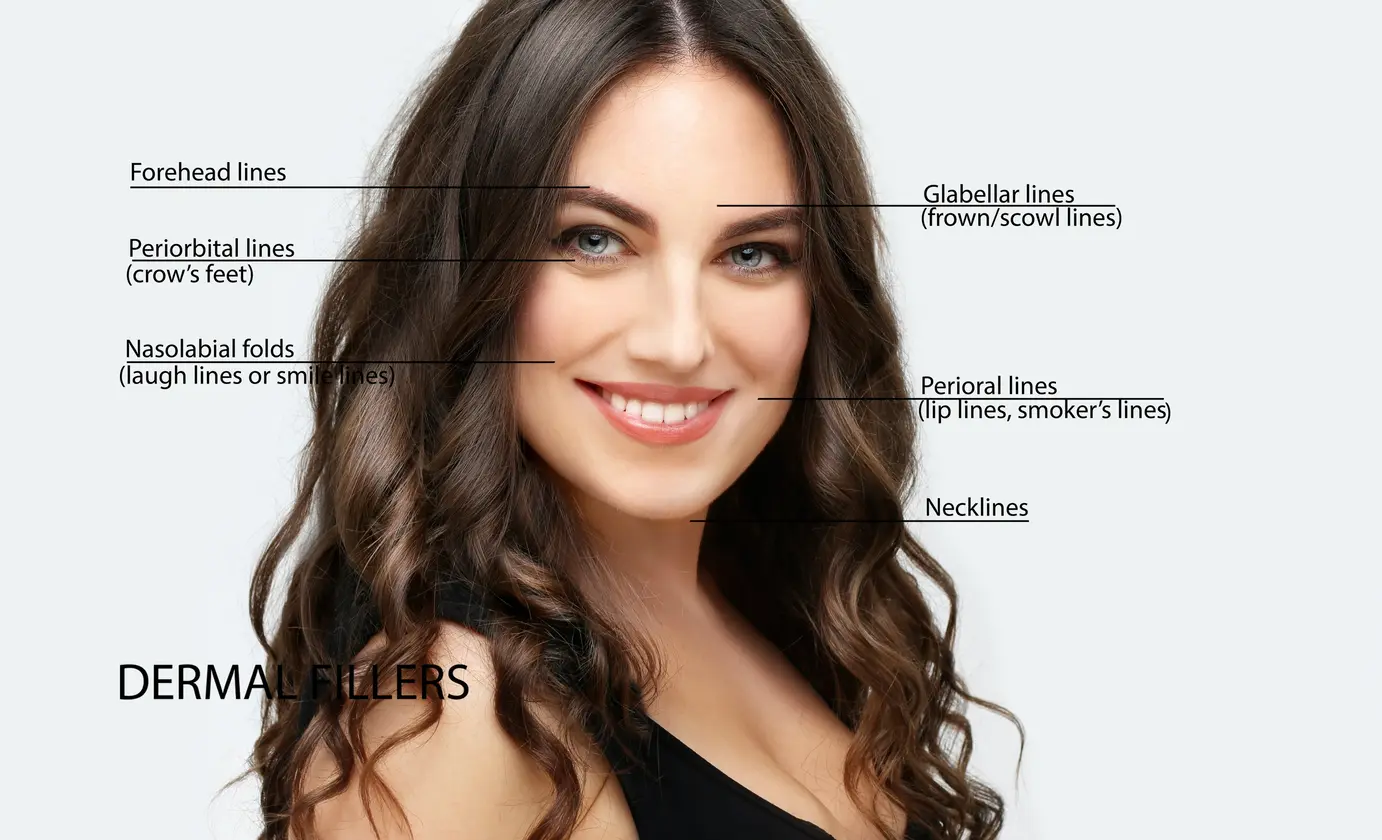
Our team also offers neurotoxins, dermal fillers, regenerative treatments, and microneedling, with treatment plans shaped around each person’s goals. That matters with PRP because skin concerns are rarely identical from one patient to another. Acne scars, dullness, fine lines, and uneven texture may call for different treatment depths, timing, and maintenance recommendations.
At Billie’s Beauty Bar & Anti-Aging Medspa, the goal is to help patients understand what the treatment can reasonably do and how it may fit into a broader skin plan. For someone considering microneedling with PRP, that guidance can make the process feel clearer and more comfortable from the start.
Book Your Vampire Facial Consultation.
Frequently Asked Questions
How does microneedling with PRP support skin rejuvenation?
Microneedling with PRP supports skin rejuvenation by creating controlled microchannels in the skin and applying platelet-rich plasma to help encourage natural repair and collagen production.
Is microneedling with PRP good for acne scars?
Microneedling with PRP may help improve the appearance of mild to moderate acne scars by supporting collagen remodeling in areas with uneven texture.
How many microneedling PRP treatments are usually needed?
Many patients benefit from a series of treatments spaced several weeks apart, but the right number depends on skin condition, goals, and provider recommendations.